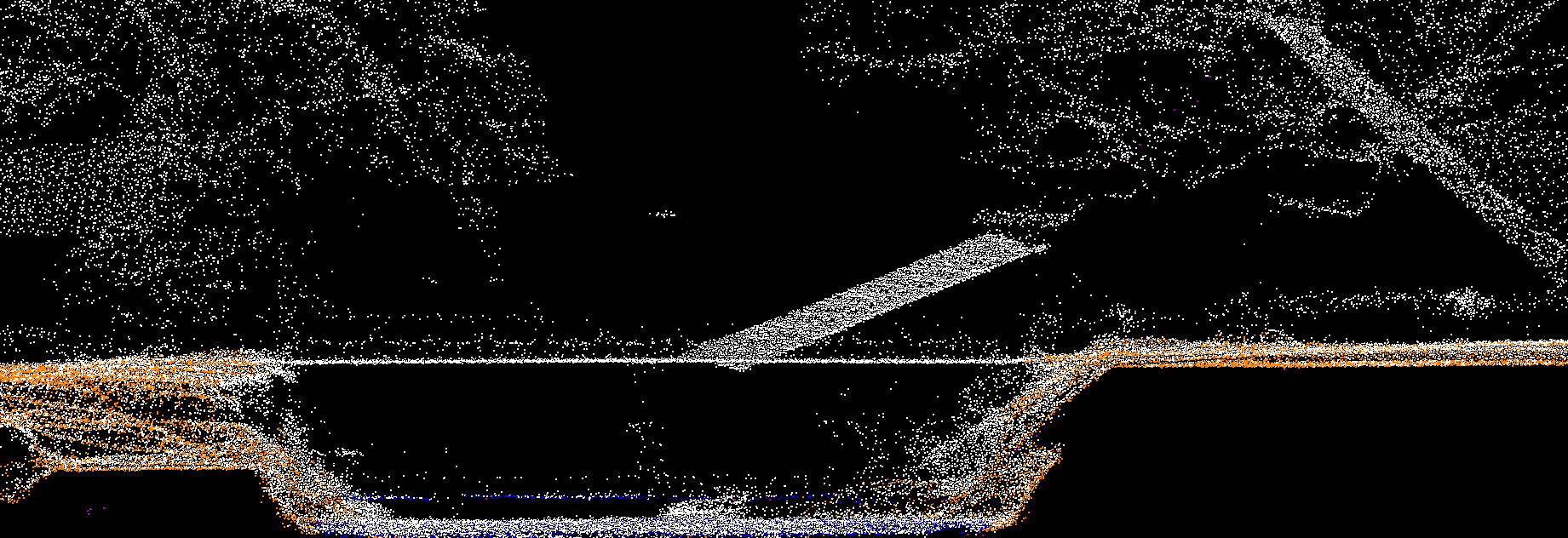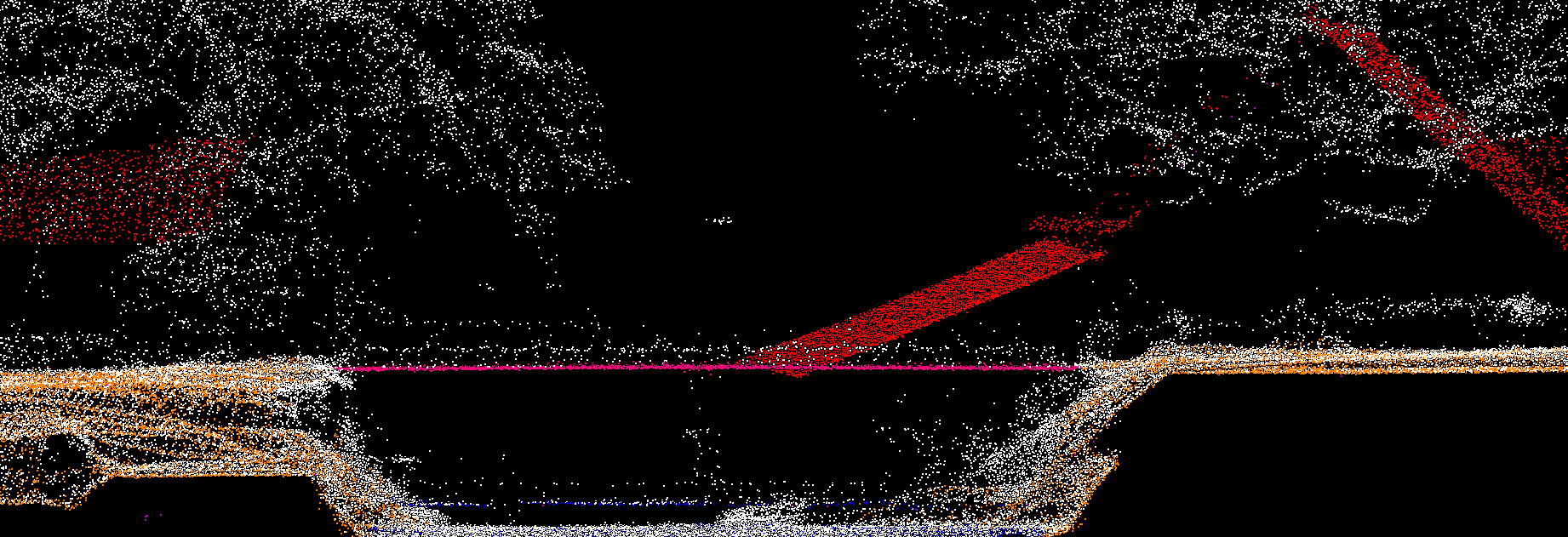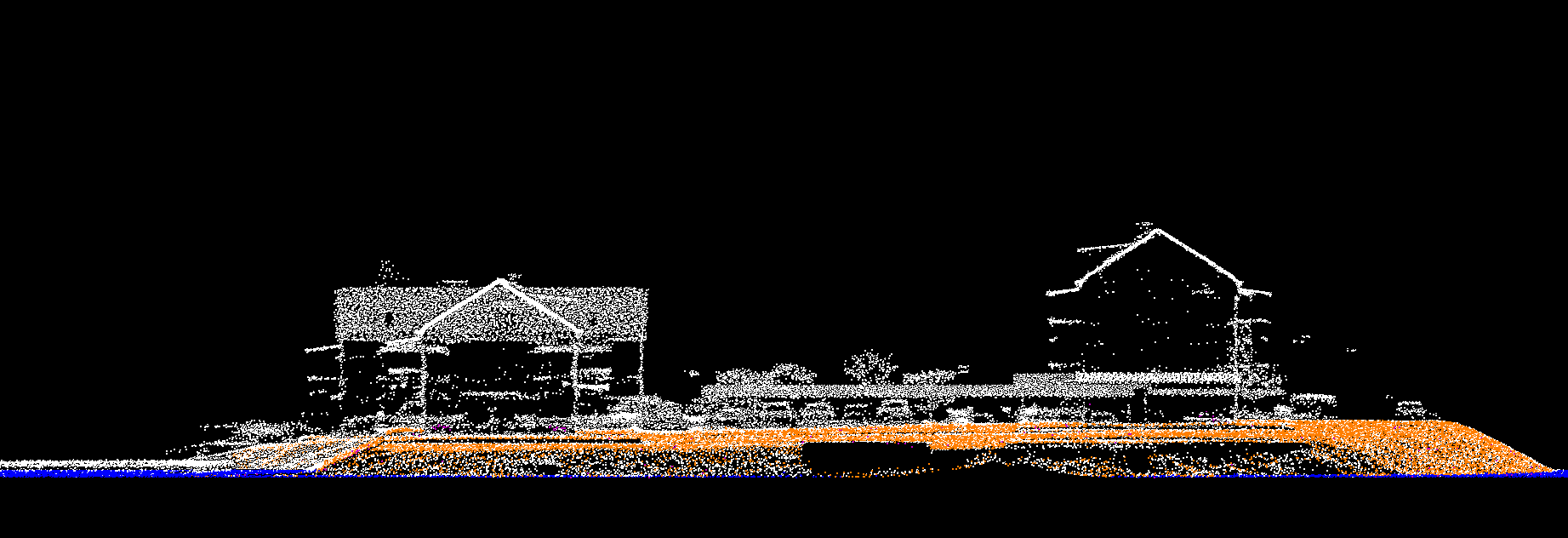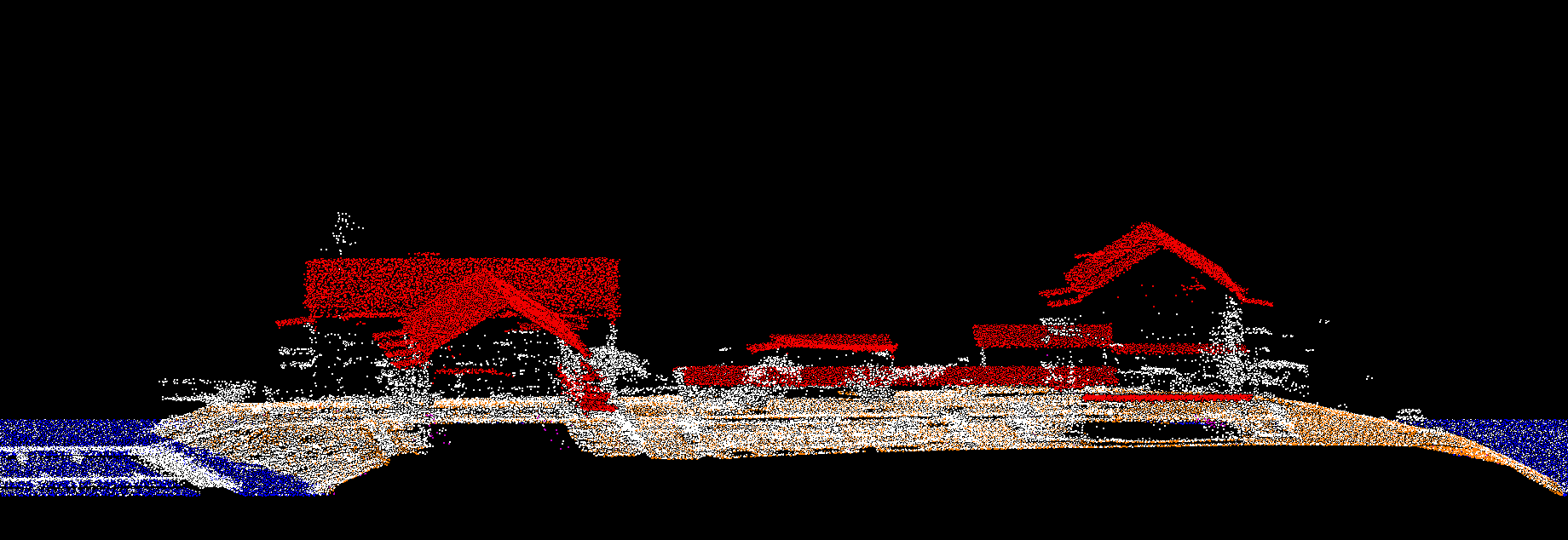
Problem and task.
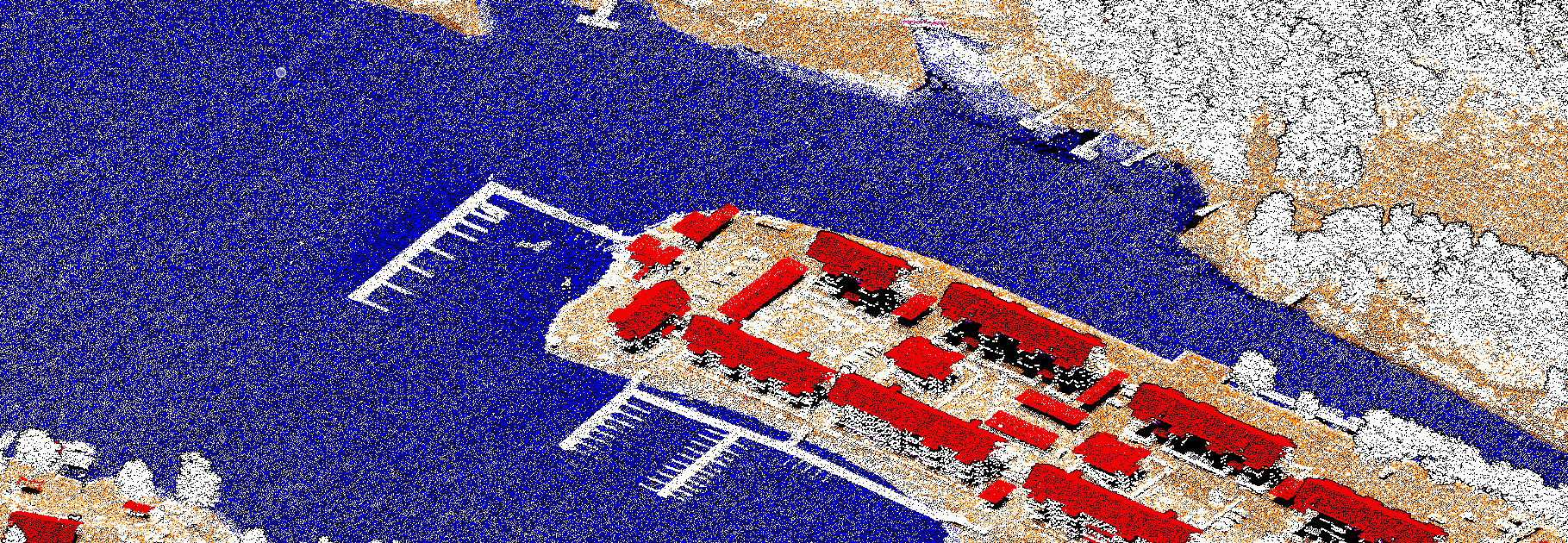
In this project, we faced several tasks that required rapid completion. The primary task involved processing a digital water model and obtaining a digital terrain model. Also, we need to strongly classify the roofs of buildings in the city.
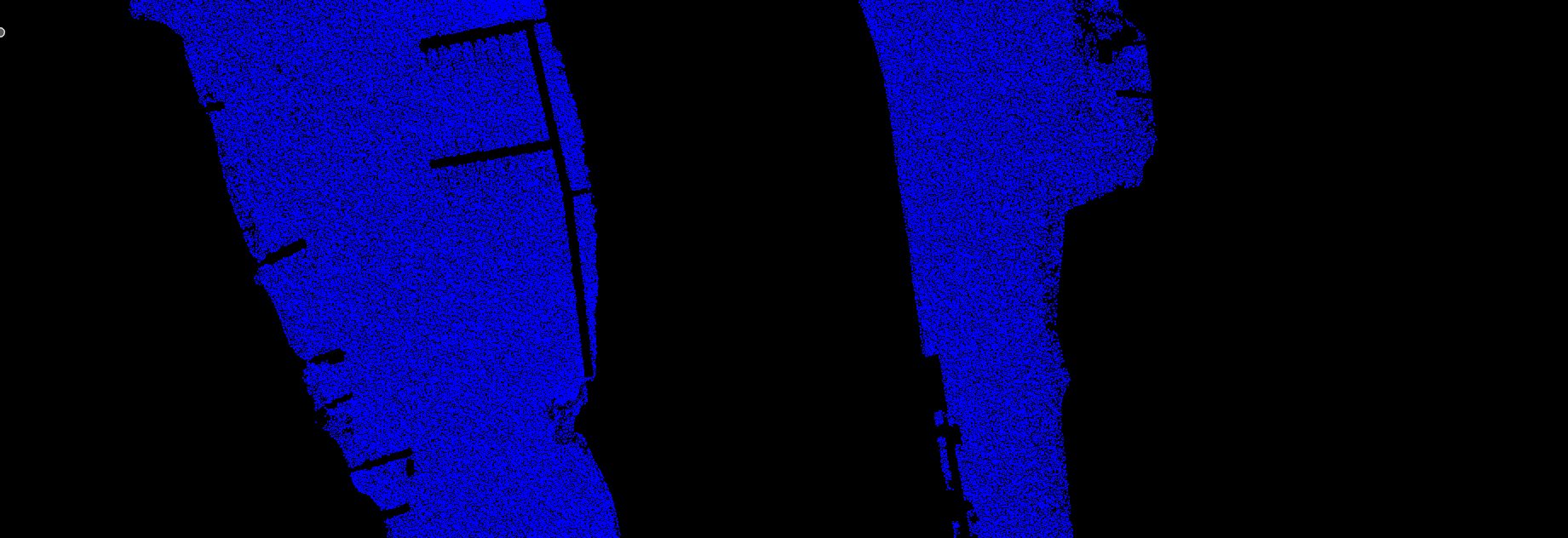
Water Classification. Leveraging our past experience, we need to examine the digital water model, cloud intensity, and water vector layer to detect the actual water level. All water is on the ground class Following the completion of the water classification, we need to obtain the quality of the water digital model.
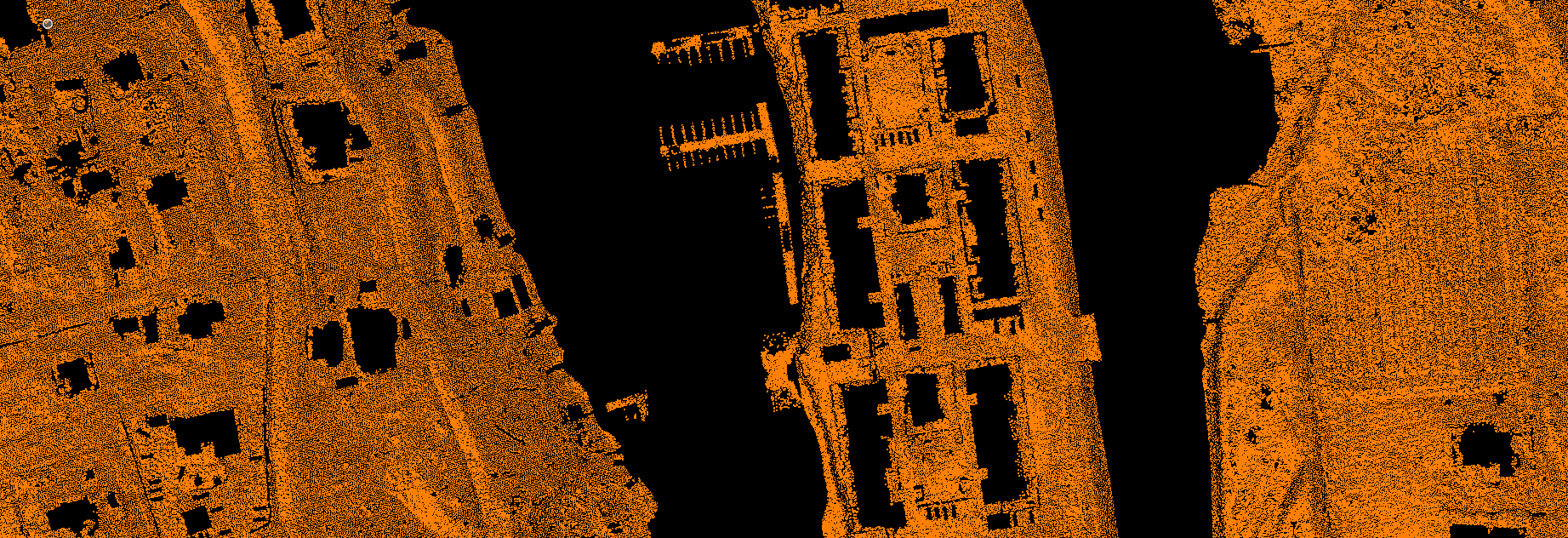
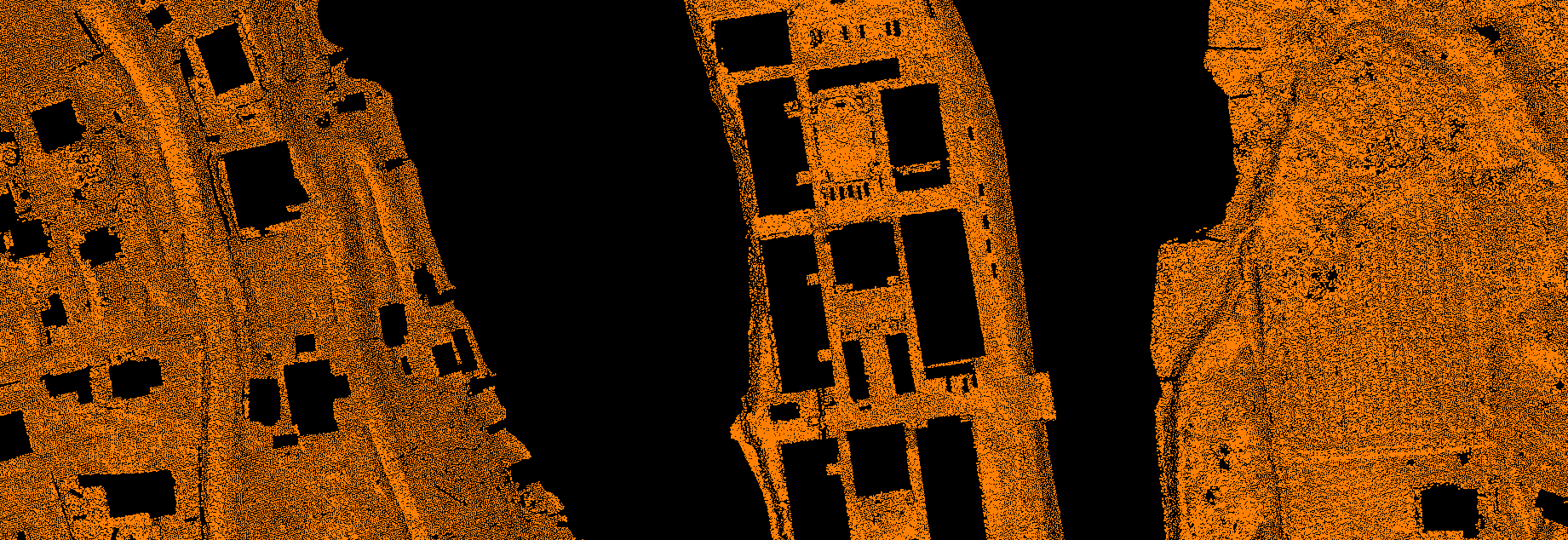
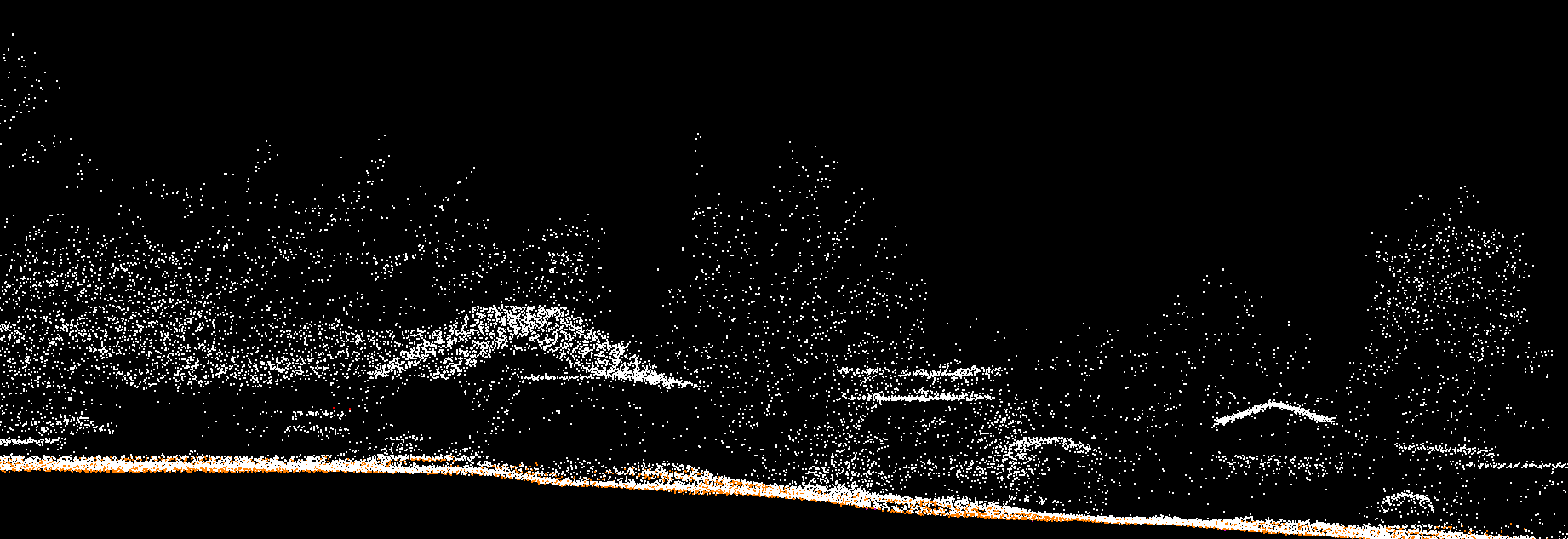
Ground Point Cloud Processing. The terrain was relatively flat; however, numerous points were classified under different categories. To expedite the process, we employed TerraModeler tools.
Building Classification. Most of the points fell into either the unclassified or ground class, rather than the sixth class, resulting in a more time-consuming classification process.
Bridge Deck Classification. It is essential to distinctly classify bridge decks into 17 classes and bridge barriers as a single unclassified class.





Realization.
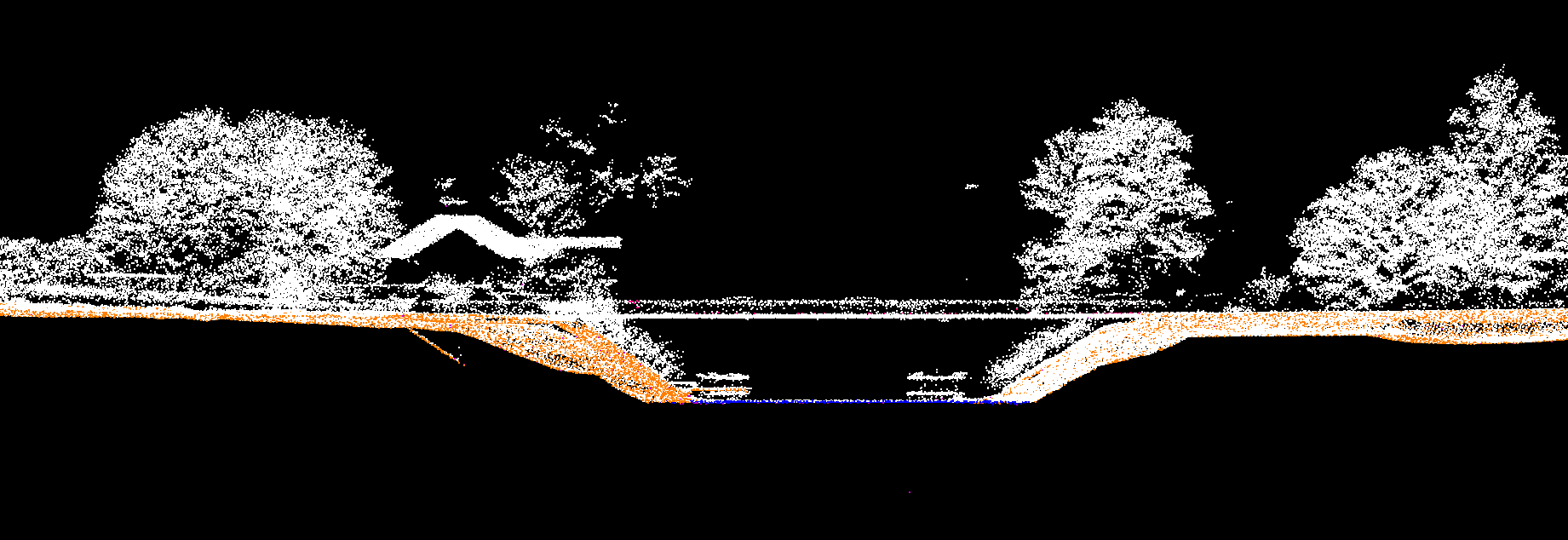
Water. In our work involving water, we often faced challenges with drying lakes, where accurately identifying the real water level posed a difficulty for some technicians. However, our proficiency with TerraScan and TerraModeler tools enabled us to apply our developed approaches effectively. We generated additional linear vectors and polygons, utilizing them to classify water point clouds.
Ground. During our work on flat surfaces, we noticed that ground point clouds were often misclassified. To address this, we implemented our own custom-developed macros to reinstate ground points in areas where they were absent. Additionally, we leveraged Microstation tools to expedite the process.
Buildings. A primary challenge in roof classification was the predominance of points within unclassified objects. To overcome this, we utilized pre-created vectorization methods to identify buildings. Our expertise with TerraSolid facilitated the rapid and accurate classification of roofs into the appropriate categories.
Also, for this project, we established a Quality Control (QC) system to ensure the accuracy and clarity of our results.



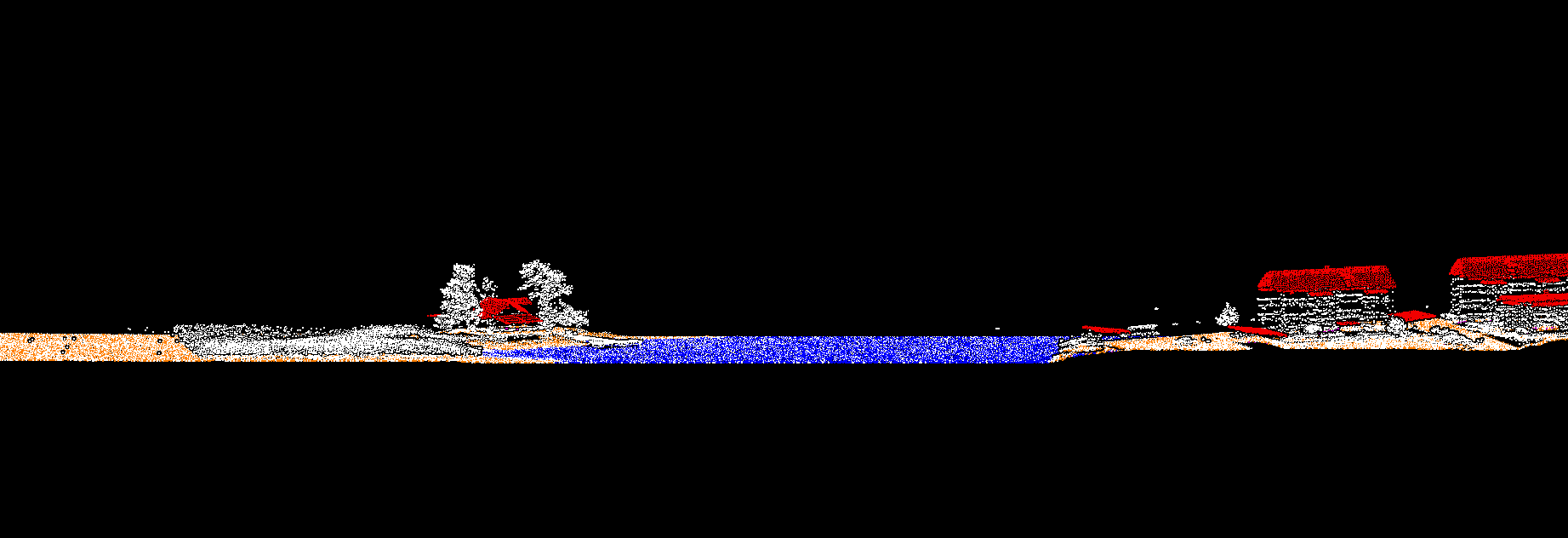

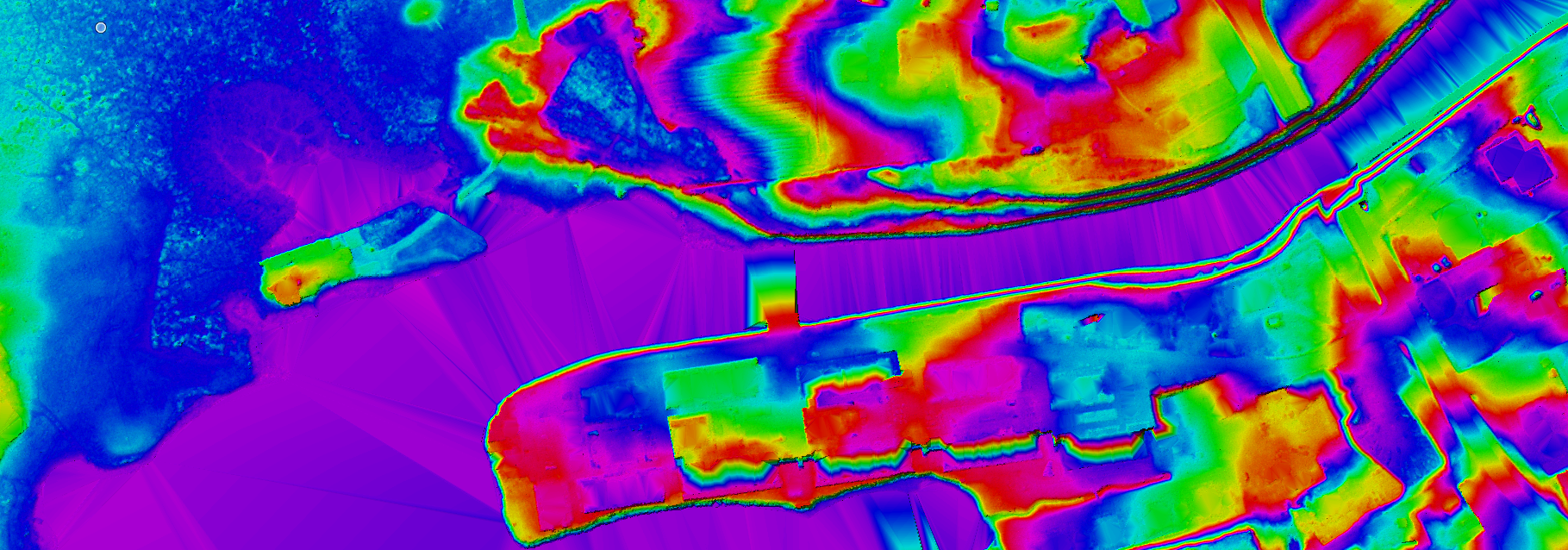

QC realization.
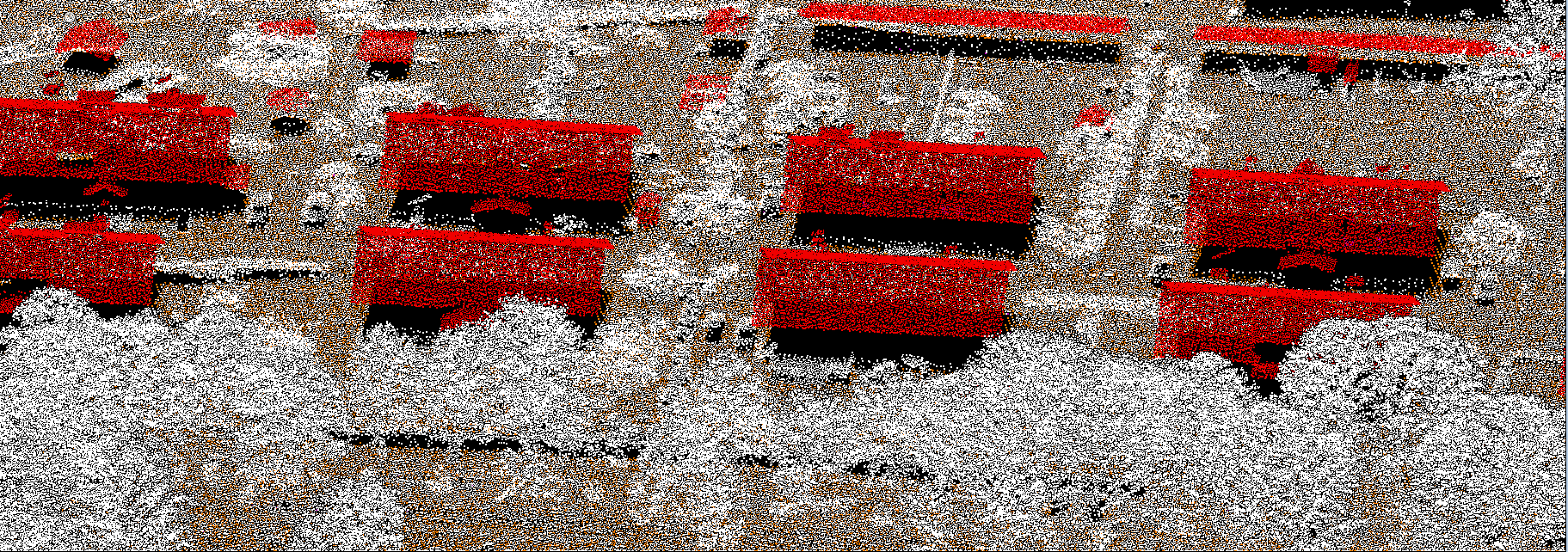
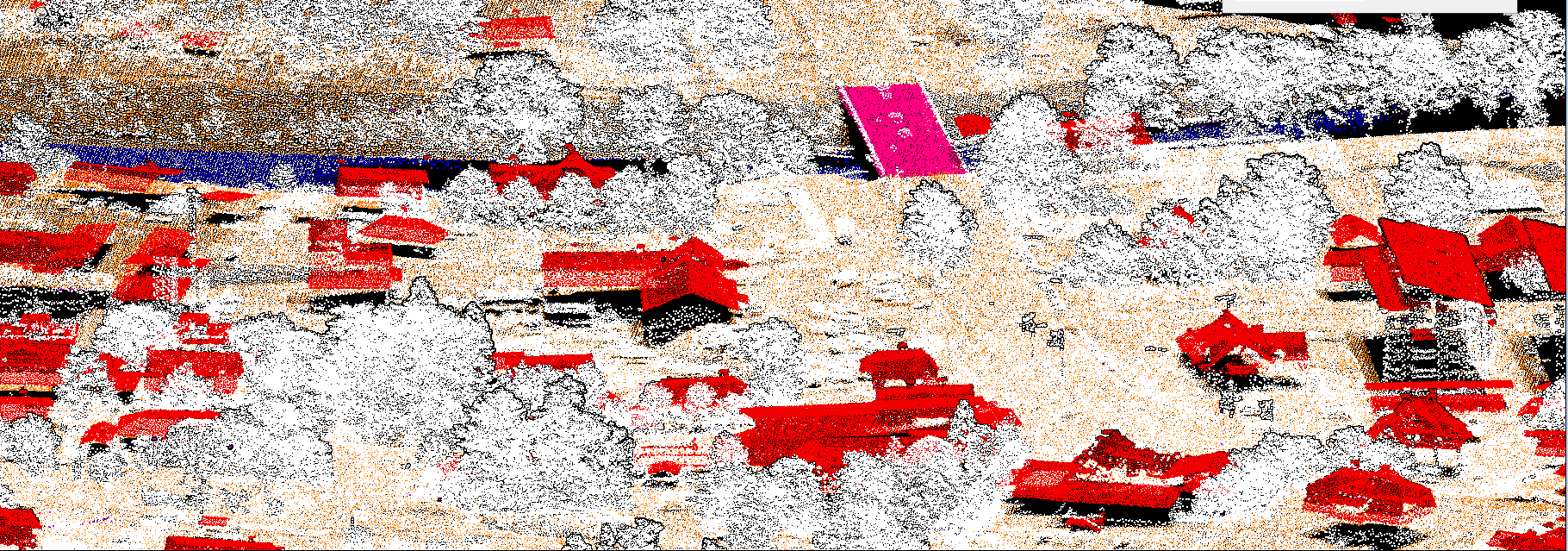
- Building Inspection (Top View): Our Quality Control (QC) team inspected buildings from a top view, focusing on identifying isolated points around the buildings. They checked for points that appeared to be hanging in the air or located under the roof in void spaces.
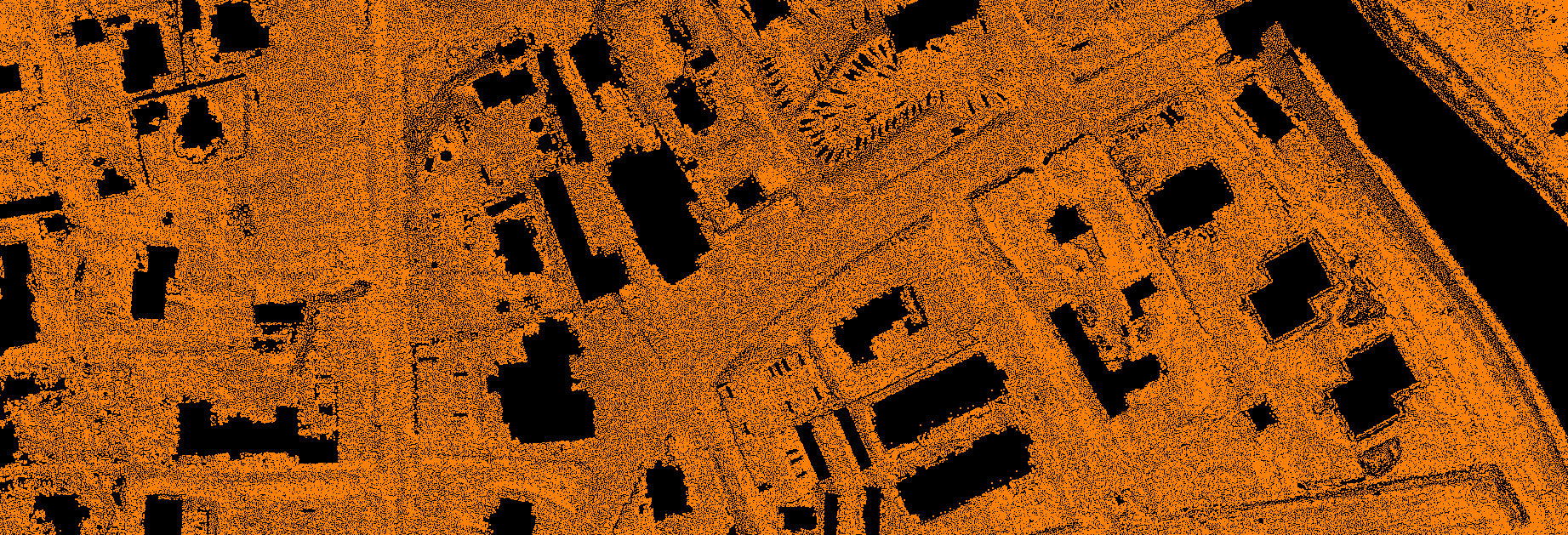
- Land Assessment Around Houses: To examine the land surrounding the houses, we utilized the shading method. This approach helped us determine if the land, along with any terraces and stairs, was mistakenly classified into another category.
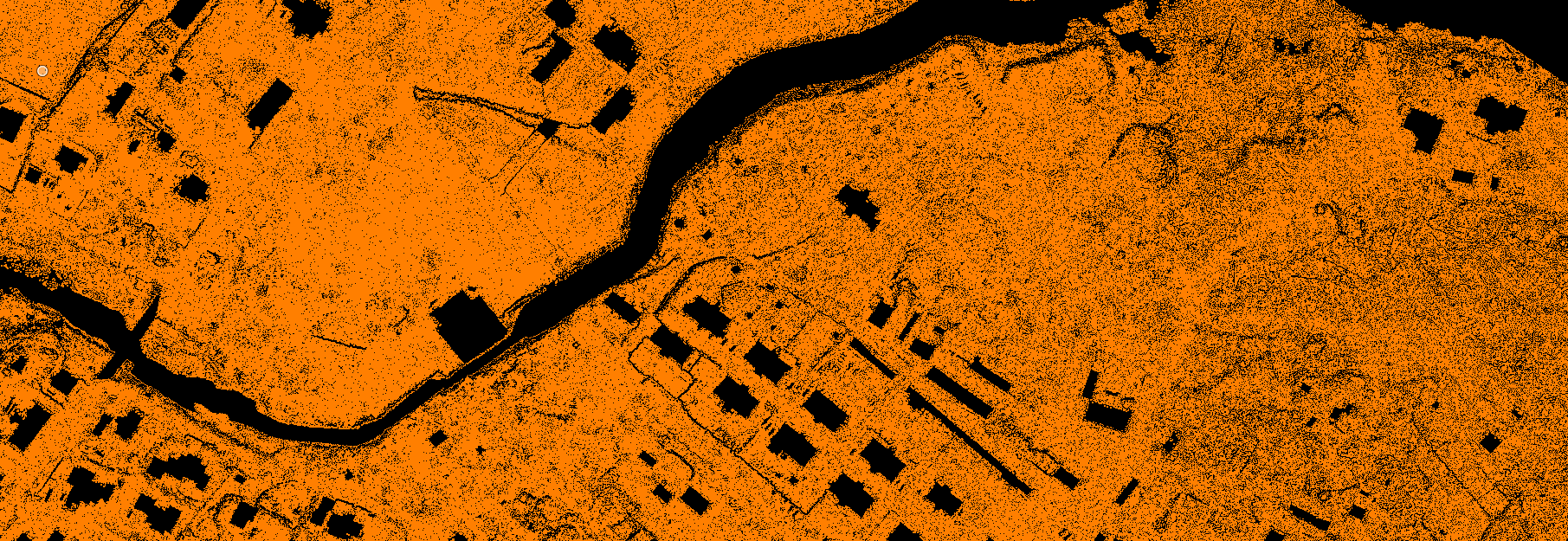
- Water Quality Testing: For accurate water quality assessment, we had to disable the vector due to its inaccuracy. Recognizing water’s dynamic nature, we avoided relying solely on orthophotos. The inspection was conducted in two stages:
- Initially, it involved examining point intensity and a combined digital model of land and water.
- Then, to verify river continuity between blocks and ensure the water surface was smooth, the water class was saved in a separate .las This allowed for stitching the rivers and lakes between nomenclature blocks, construction of a water digital model, and its subsequent verification.
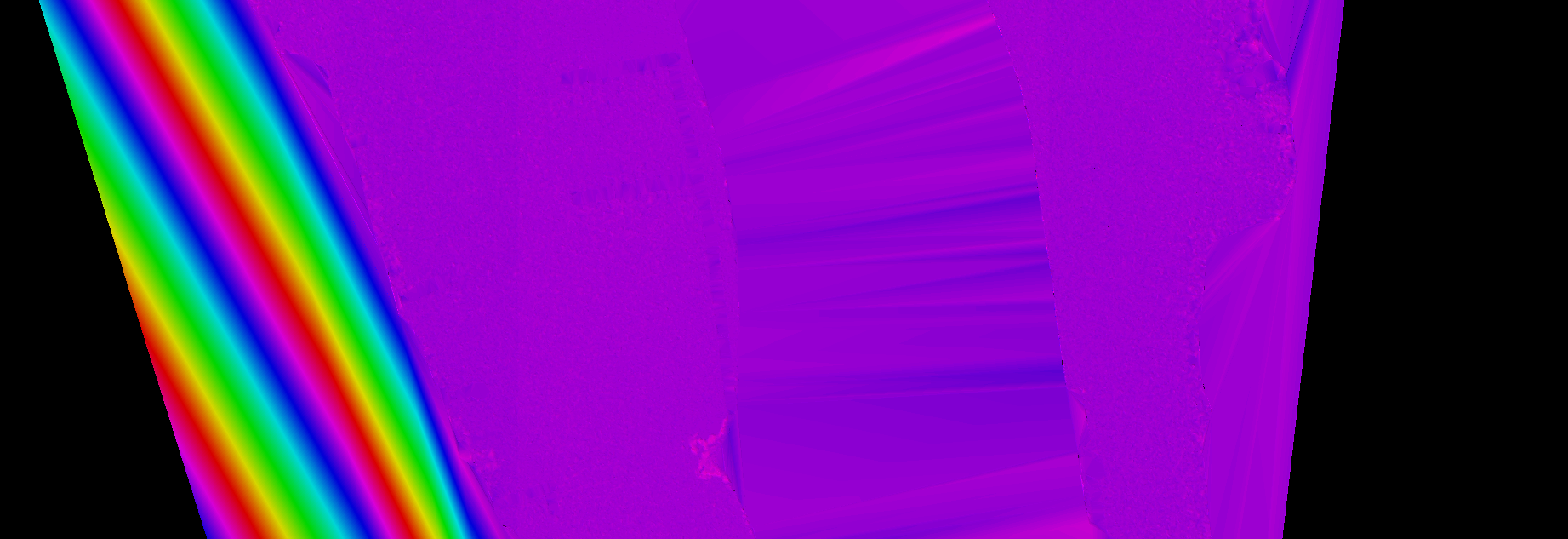
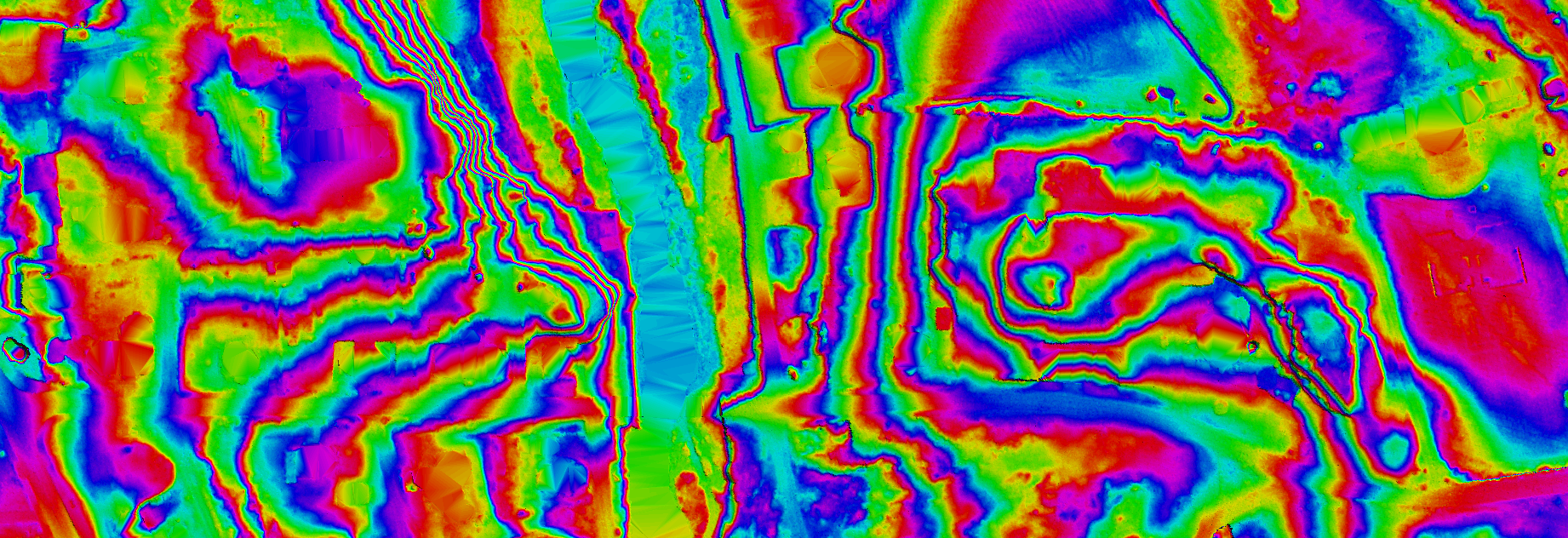
- Soil Examination: We constructed a digital terrain model for soil inspection, selecting appropriate color cycles for enhanced convenience and quality of analysis. This stage also provided a clear view of any potentially missed bridges.
- Bridge Execution Quality Inspection: The quality of bridges was inspected using a similar methodology. We segregated all bridges into a separate layer and built a digital model on them. This process enabled us to evaluate the precision of bridge deck classification.

Result.
Exceptional Accuracy and Efficiency. Our recent project successfully tackled the complex challenges of water level identification in drying lakes and precise ground and roof classification in urban environments. Leveraging advanced TerraScan and TerraModeler tools, along with our proprietary macros, we achieved remarkable accuracy in classifying water point clouds and restoring ground points. This precision is a testament to our team’s deep expertise and innovative methodologies.
Advanced Vectorization Techniques. The use of sophisticated vectorization techniques allowed us to accurately identify buildings and classify roofs, despite the majority of points being in unclassified objects. Our skillful application of Microstation tools further enhanced the speed and efficiency of our classification process.
Customized Quality Control System. The development and implementation of a bespoke Quality Control (QC) system was pivotal in ensuring the highest standards of data integrity and clarity. This rigorous QC process underscores our commitment to delivering results that not only meet but exceed client expectations.
Why Choose Us for Your Geospatial Needs:
- Proven Expertise: Our track record of handling complex geospatial projects with precision and efficiency sets us apart in the industry.
- Innovative Solutions: We continually develop and apply advanced techniques and tools to stay at the forefront of geospatial technology.
- Tailored Approach: Understanding that each project has unique challenges, we offer customized solutions to meet specific client needs.
- Reliable Results: Our commitment to quality and accuracy ensures that clients receive dependable data that they can trust for their critical decision-making processes.
In conclusion, our recent project serves as a prime example of our ability to deliver high-quality geospatial solutions. We invite you to experience the same level of expertise and dedication in your projects. Partner with us for your geospatial needs and propel your projects to new heights of accuracy and efficiency.
📞 We have the capacity to process over 1,000 km monthly. We’re continuously open to new projects and opportunities. Please consider sending us a pilot project to evaluate the quality of our services. Don’t hesitate to drop us a message right here.