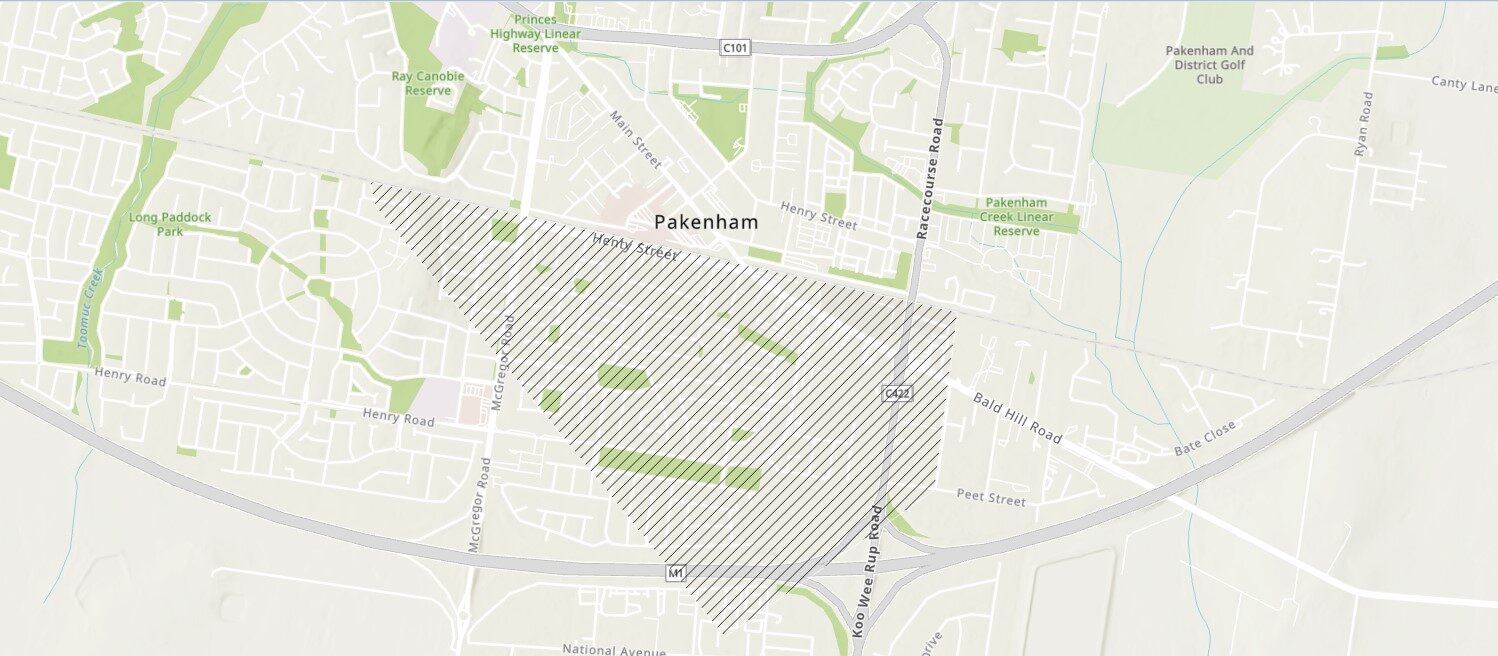
Object territory: Australia.
Average density of scanning: 2,8 points/m2
Performance specifics:
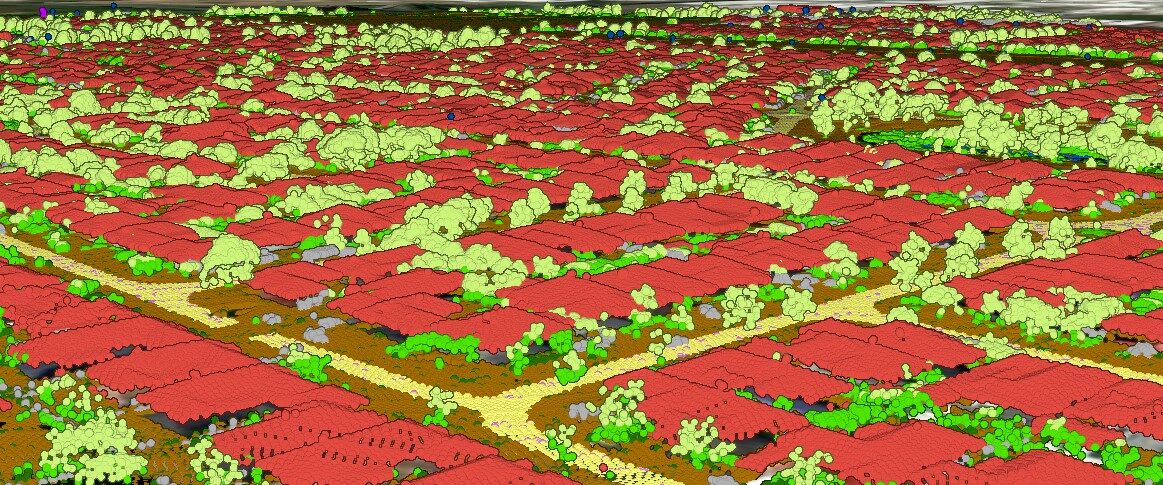
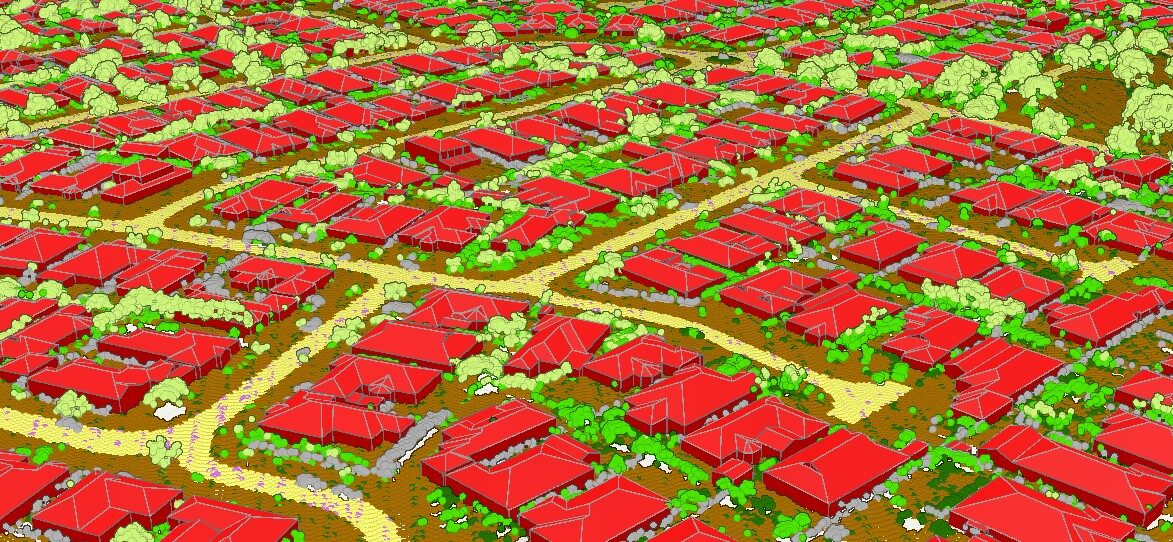
Classification:
1. Unclassified
2. Ground
3. Low vegetation
4. Medium vegetation
5. High vegetation
6. Building structure
7. Low Points / Noise
8. Modal keypoint
9. Water
10. Roads
11. Rails
14. Wire
15. Poles
16. Road vegetation
17. Bridge
19. Overhead Structure
21. Street furniture
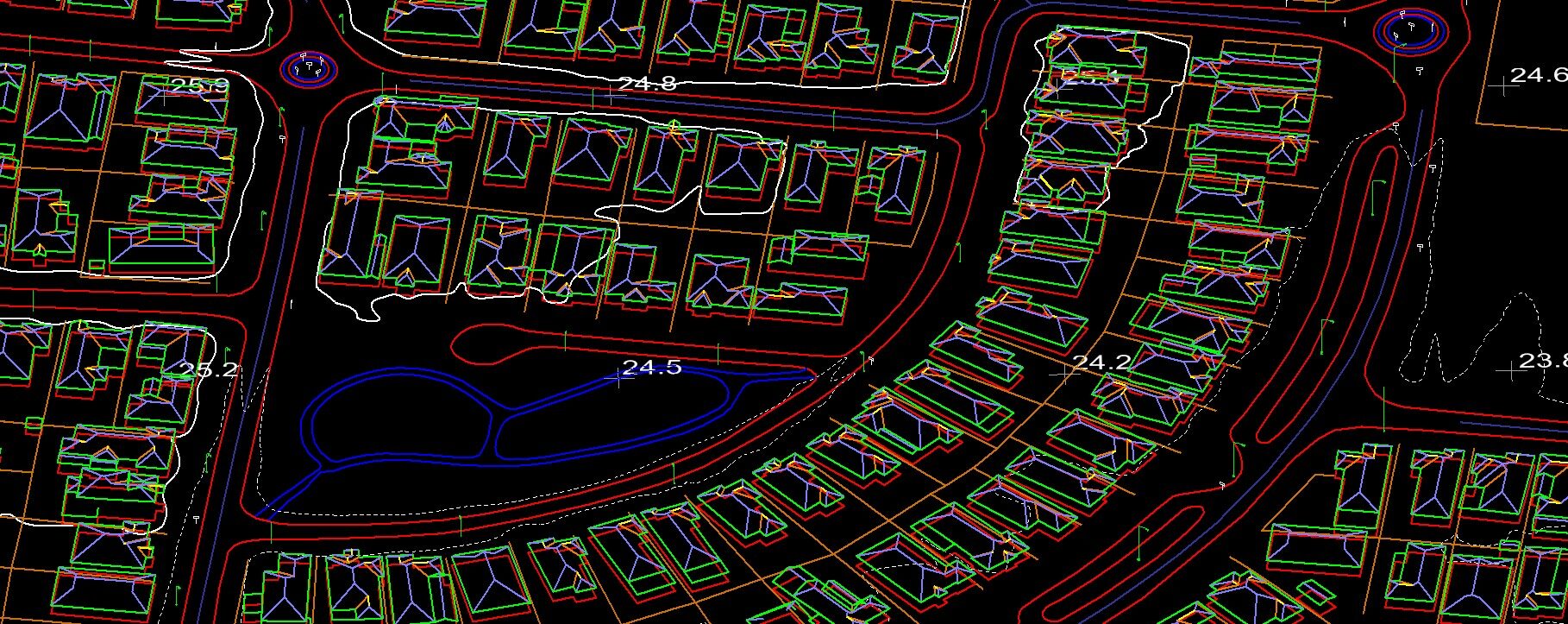
Topo layers:
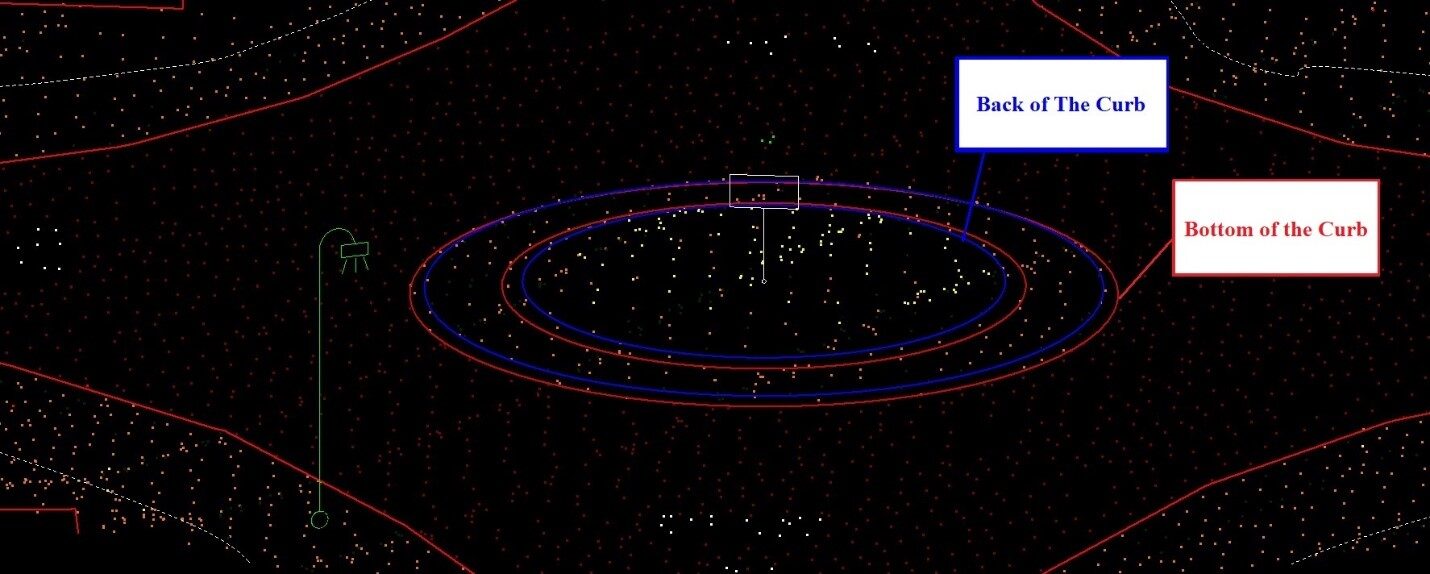
BACK OF THE CURB
BASIC CONTOUR LINE
BOTTOM OF THE CURB
BRIDGE
CONCRETE
CONDUCTOR WIRES
CREEK
DIRT ROAD
DITCH
FENCE
GATE
GUARDRAIL
MAJOR CONTOUR LINE
POOL
RAILING
RIDGE
ROAD
ROAD CENTERLINE
SIDEWALK
STAIRS
STRUCTURE
STRUCTURE FOOTPRINTS
TERRACE
TOP OF THE CURB
TREE
VALLEY
VERGE
WALL
Problem and task.
- Data Source: Airborne LiDAR scanning
- Input: previously unclassified point cloud
- Challenges & Tasks:
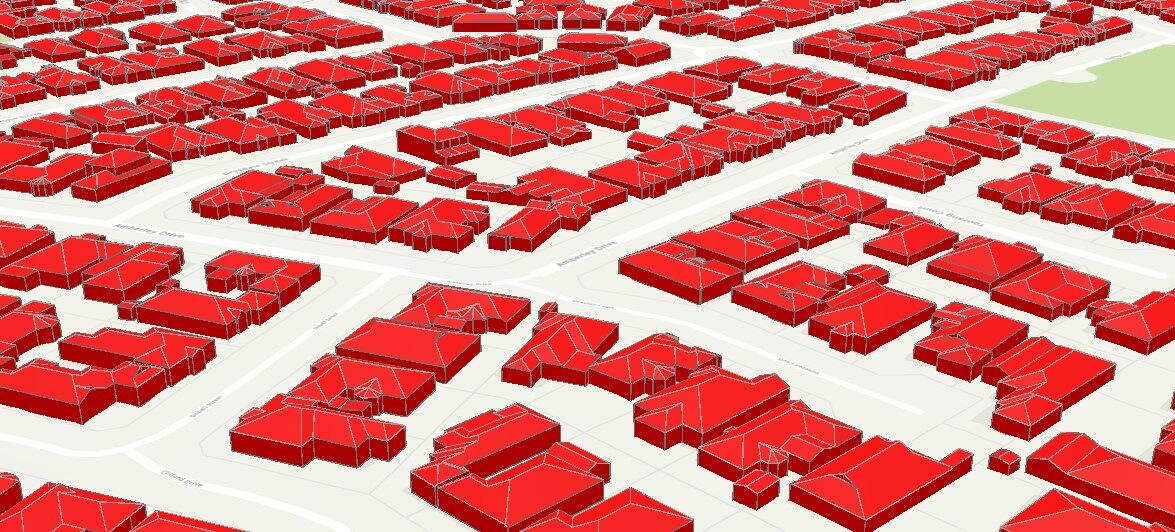
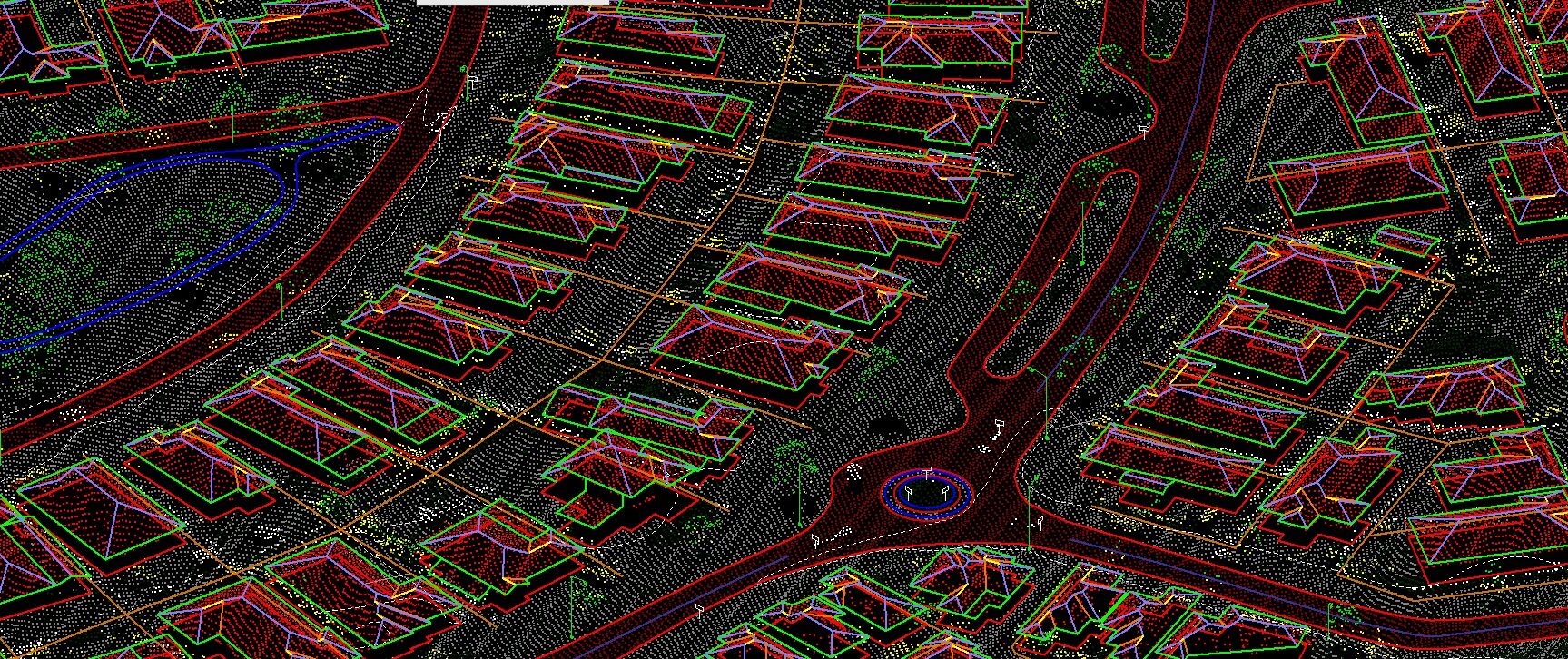
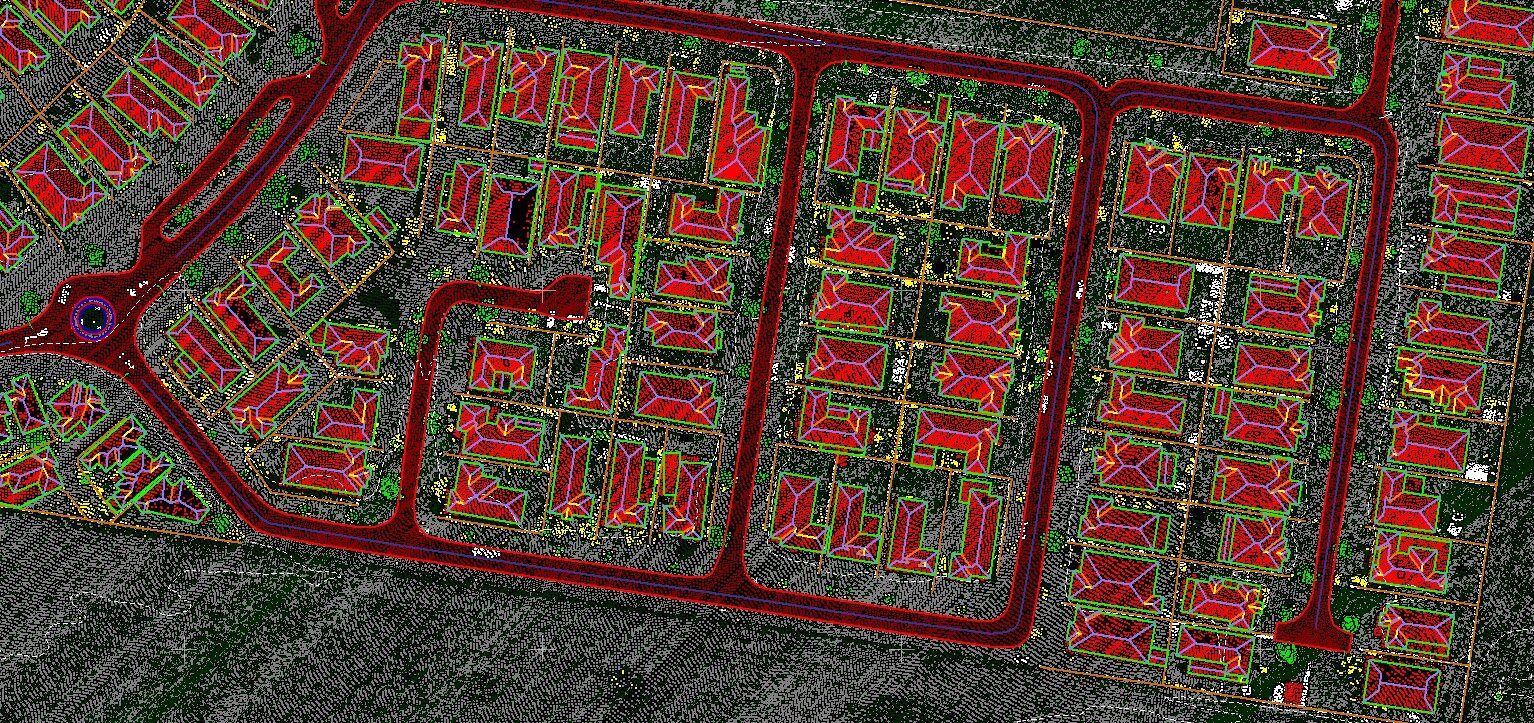
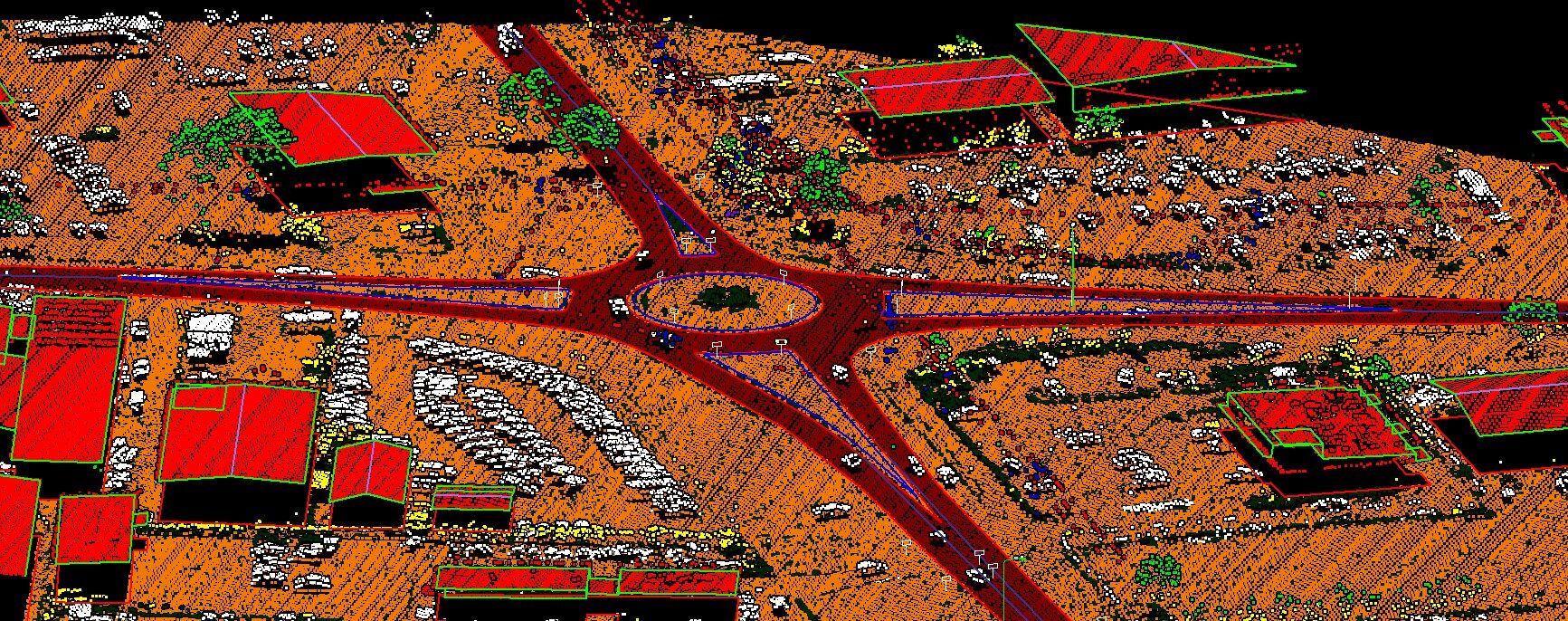
Objective. Classify all objects, create a 3D topographic plan based on the point cloud, and 3D building models.
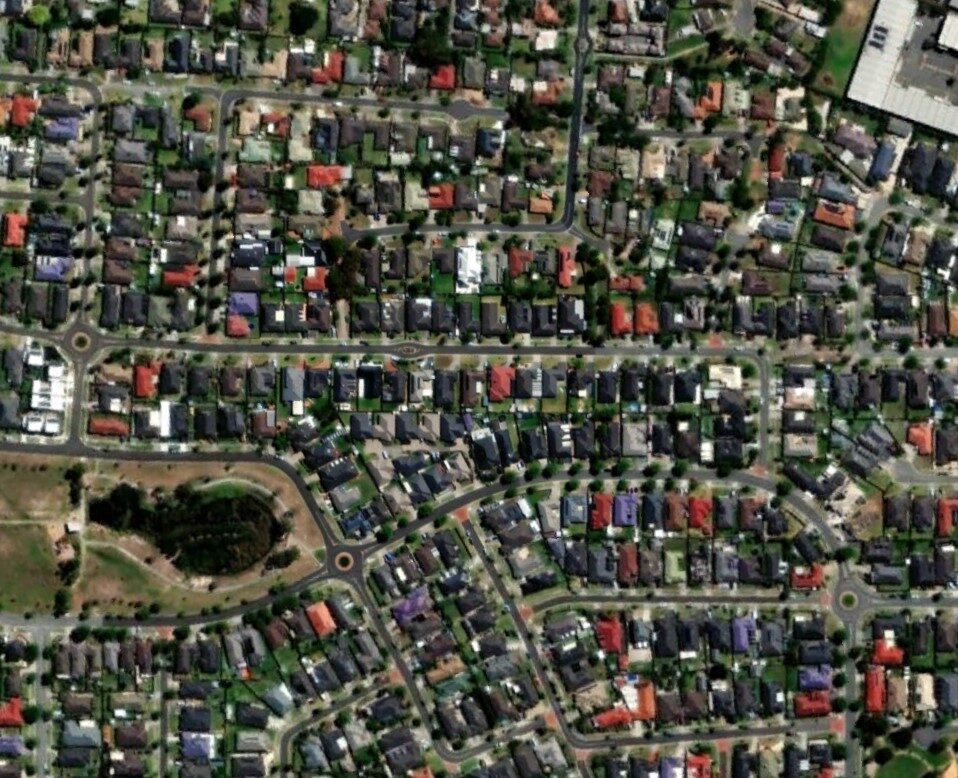
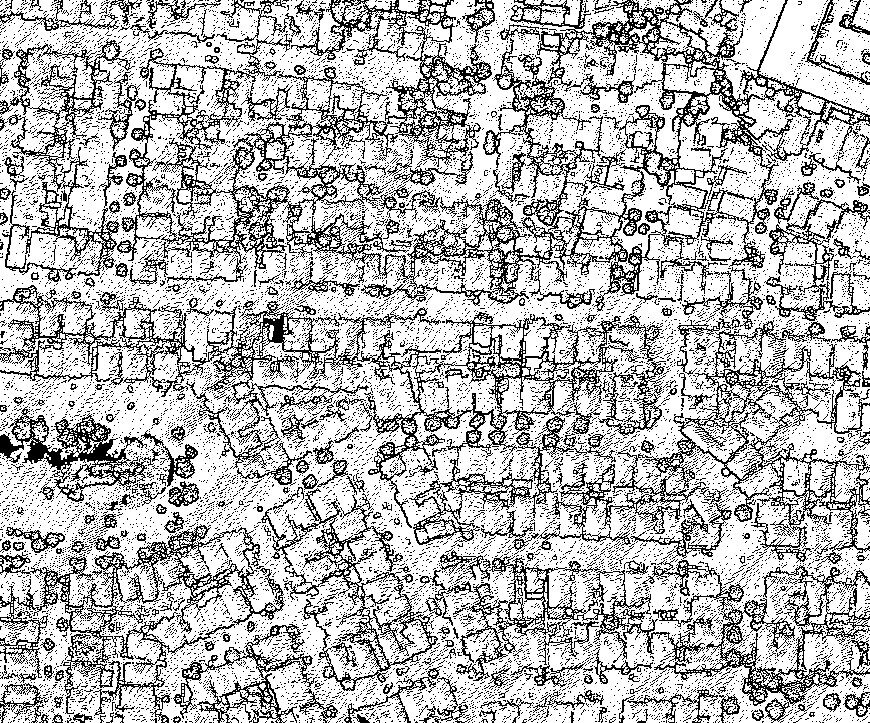
Challenges. Our team faced significant challenges with the result of LiDAR scanning because the point density after scanning was sparse. This made object classification increasingly difficult.
During the modeling process, we faced several challenges, particularly with the automatic creation of footprints, since the buildings in this area were very closely spaced, and the point density in the scan was extremely low. This significantly complicated the automation process, as the required precision and detail demanded great attention at every stage. As a result, we had to manually adjust the footprints to ensure an accurate and correct representation of the 3D models. Thanks to this, we were able to ensure that the building models created using TerraScan technology appeared as distinct objects rather than being glued together, which could have led to inaccuracies.
In comparison, when working on a similar project in Uppsala, we used a more advanced scanning method, which helped us streamline and automate the process. The higher data quality and increased point density enabled us to generate accurate footprints efficiently, reducing the need for manual intervention.

Realization.
The project was completed in three main stages, each of which was critical for achieving the set objectives. Each stage included several sub-stages that reflect in detail the process and technologies applied by our team to achieve the result.
1. LiDAR Data Classification
In the first stage, our team carried out the preparation and uploading of LiDAR data, which involved several important steps:
- LiDAR Data Preparation
Before starting the work, it was necessary to check the data quality, clean it from noise and anomalies, and convert it into a format suitable for processing. - Point Cloud Classification
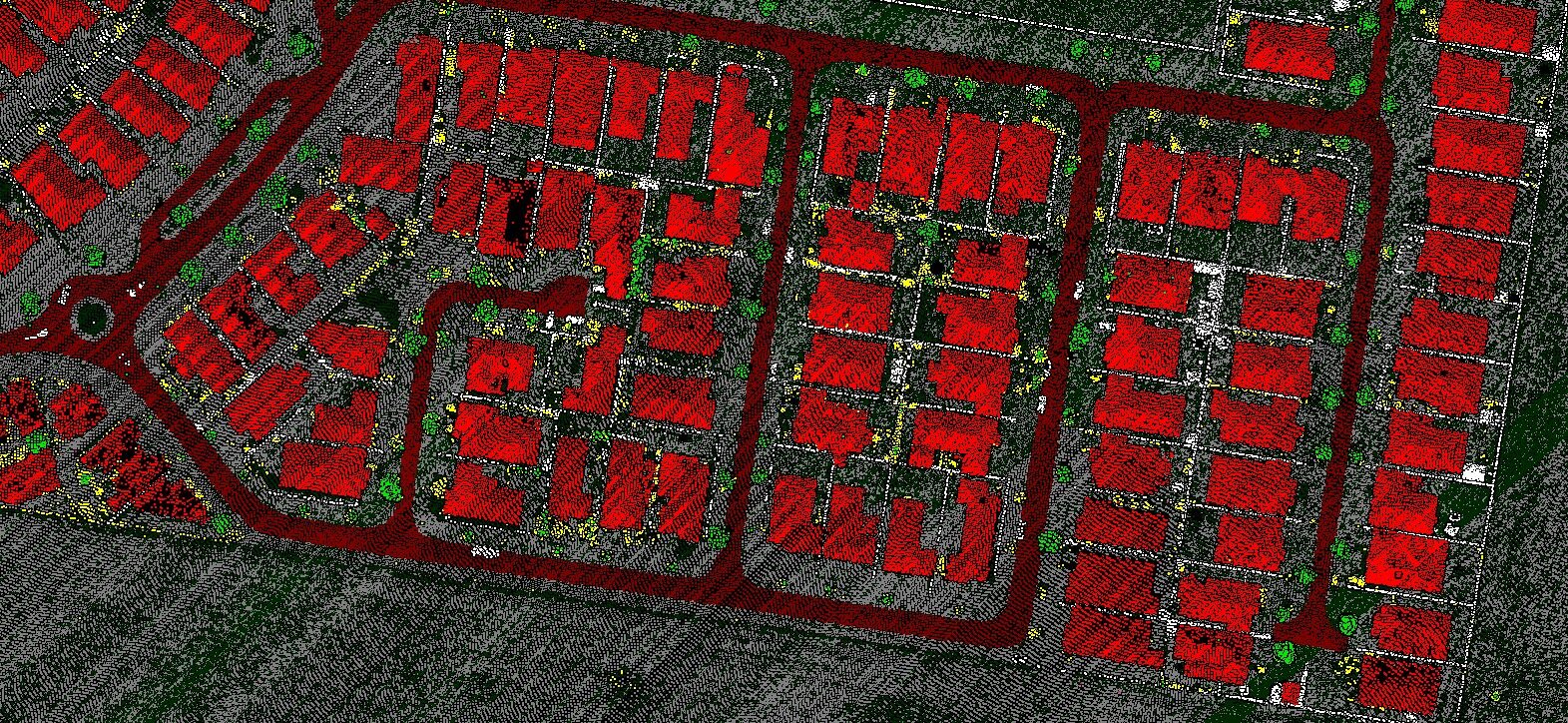
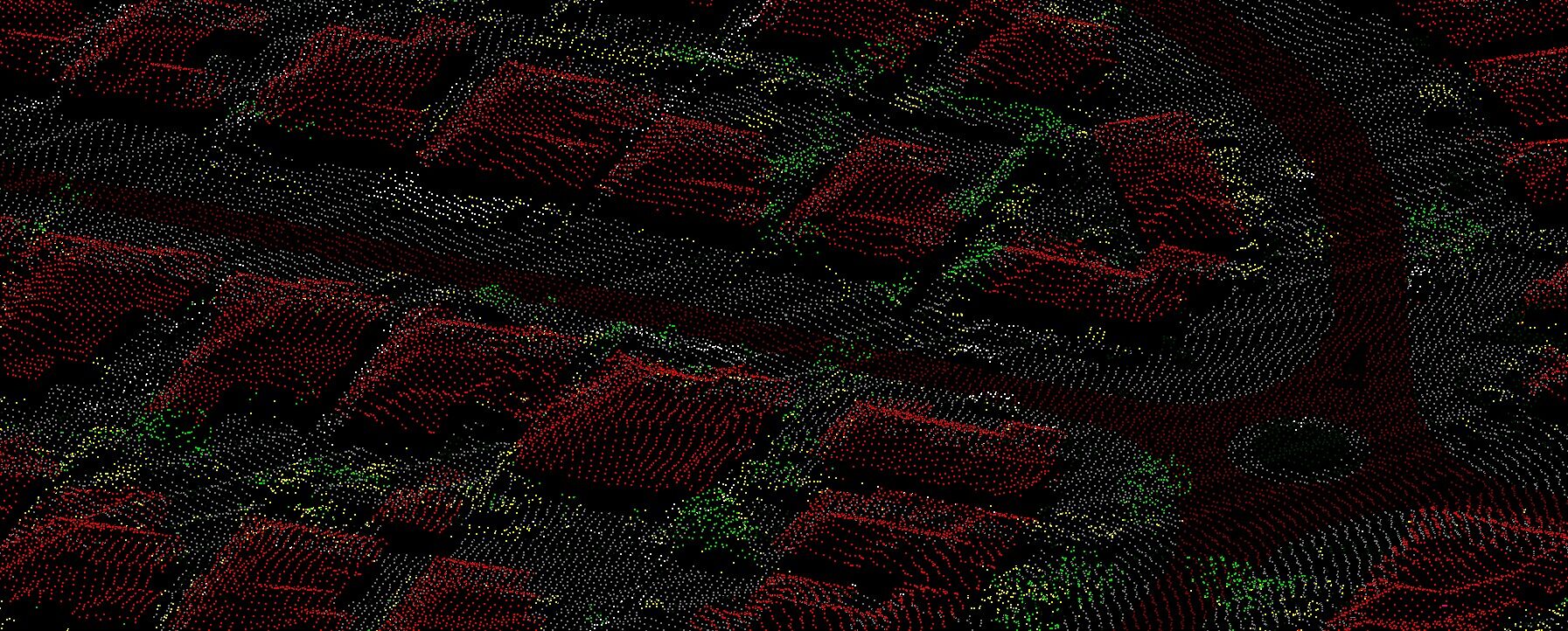
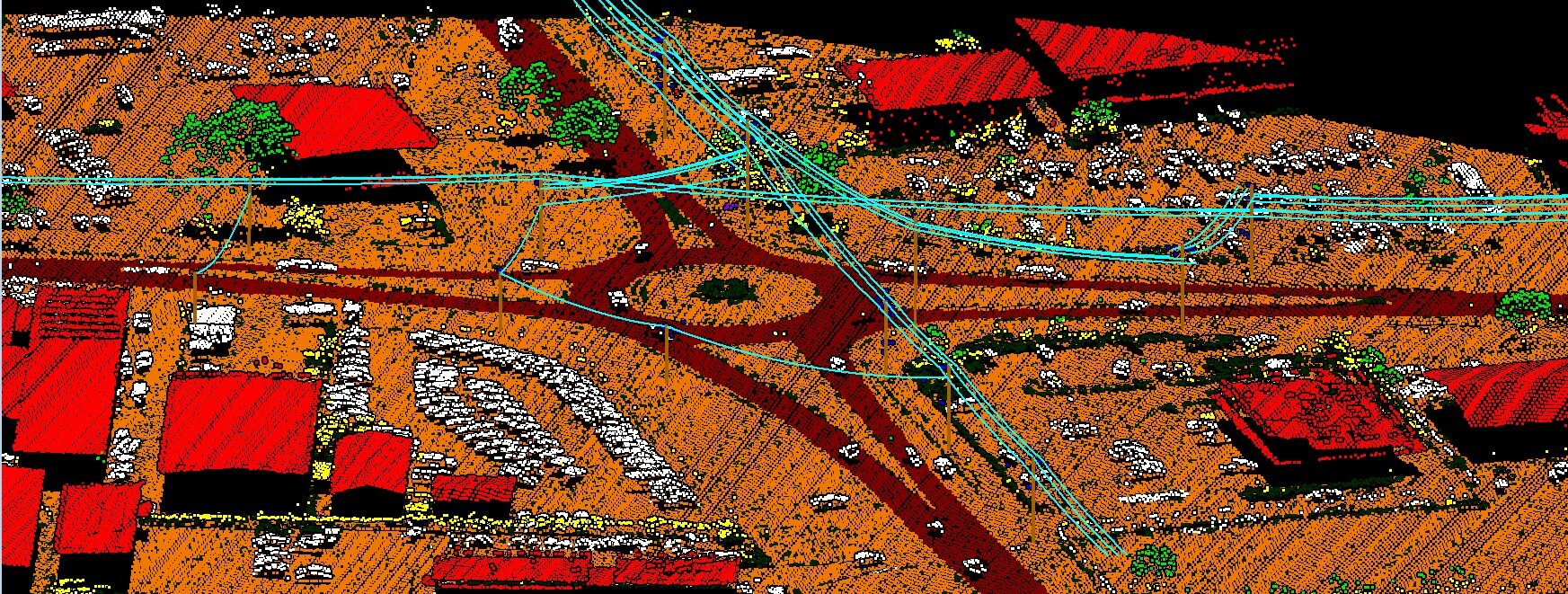
After the data preparation, the classification of the point cloud began, categorizing it into key groups such as ground, buildings, trees, power lines, and others. For each category, separate classes were defined, allowing for accurate identification of different elements in the terrain. - Use of In-House Developed Algorithms
To speed up the classification process, in-house developed algorithms were used to automate standard operations, reducing the likelihood of errors and accelerating data processing. - Result Verification and Correction
After the automatic classification, the results were verified and corrected. Specifically, complex or ambiguous cases were manually reviewed, and the boundaries between different object classes were refined.
We would like to highlight class 16 — Road Vegetation, to which we assigned points representing low vegetation. Often, clients themselves decide whether it is better to assign these points to the road class or leave them in the low vegetation class. To save time, we decided to place them in a separate class, which allows for classification into the appropriate class at any moment, according to the client’s requirements.
2. 3D Building Modeling
The second stage was the creation of 3D building models, which included several important steps:
- Data Preparation for 3D Modeling
After the classification was completed, the data was prepared for 3D model creation. This involved defining the building outlines, their heights, and accurately separating the buildings from other objects in the terrain, such as trees and roads. - Creation of 3D Building Models
The next step was creating precise 3D models of the buildings, which included considering the dimensions, shapes, and heights of each building to ensure their realistic representation in 3D space. - Quality Checking and Correction of 3D Models
After the basic models were created, a verification and correction process was carried out, where each model was compared with real data to ensure compliance with exact requirements.
3. 3D Topographic Plan
In the third stage, we focused on creating a 3D topographic plan to ensure proper topological interaction between objects in 3D space. This stage included the following sub-points:
- Creation of the 3D Topographic Plan
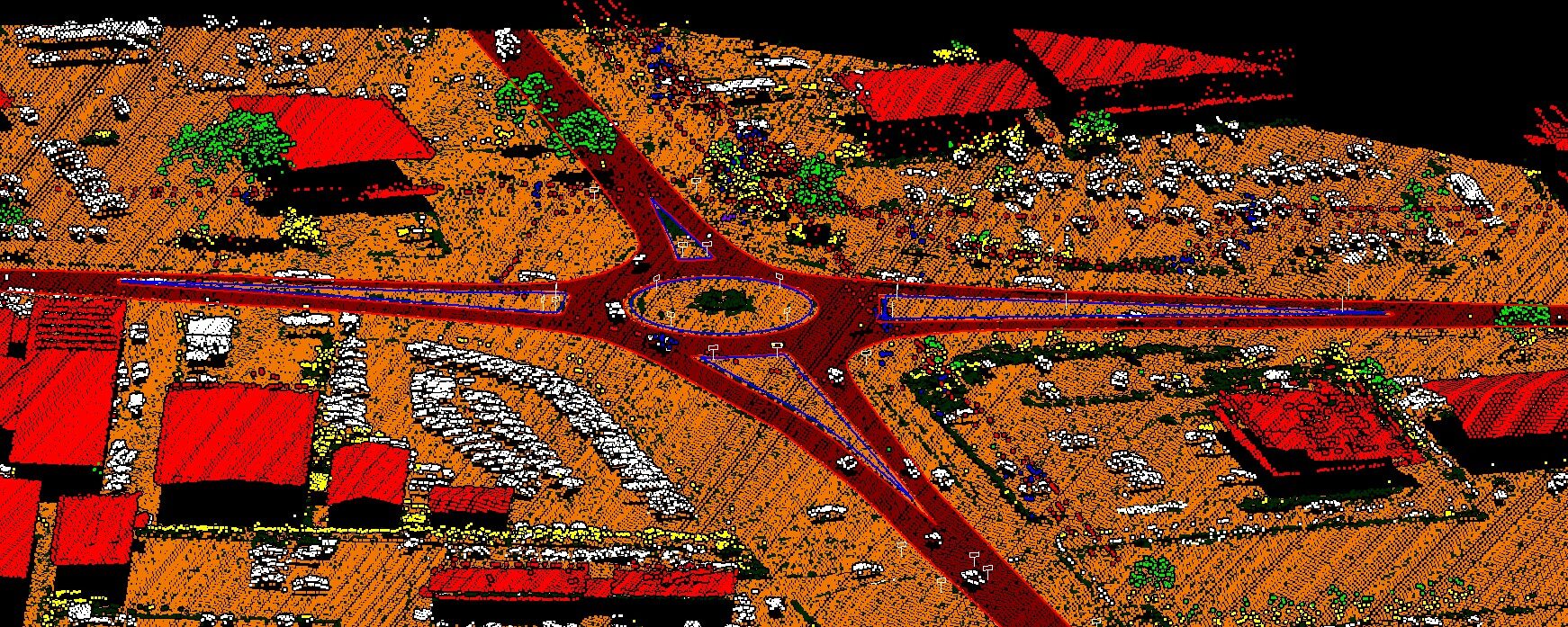
After completing the building modeling, it was important to correctly integrate all objects (buildings, power lines, roads) in the 3D space to analyze their relative positions. - Verification and Correction of the Topographic Plan
Once the initial topographic plan was built, verification and correction of the object placement were performed. The relationships between different elements, such as buildings and power lines, were checked. Possible obstacles and planning deficiencies were identified, allowing for corrections to the topographic plan to avoid issues in the future. - Identification and Resolution of Topology Issues
In case any topology issues, such as incorrect connections between elements or improperly placed objects, were identified, manual correction and automatic resolution were carried out to achieve high accuracy in the results.
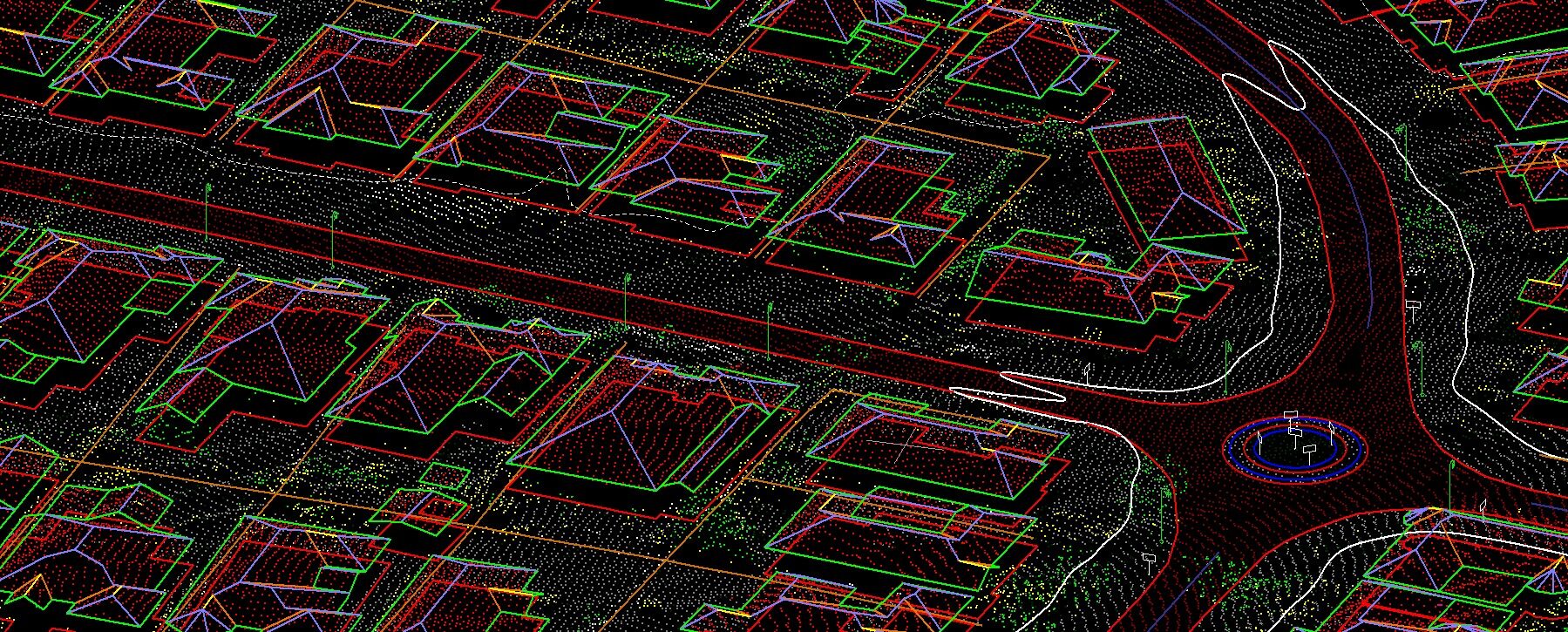
We created the 3D topographic plan according to high-quality standards, which required special attention to detail. Therefore, it was crucial to ensure that all nodes were accurately connected to each other. Working with roofs, in particular, was challenging, as we had to carefully control the precision of the connections to avoid errors in the modeling process.
In addition, as part of this project, we also raised the conventional symbols that usually represent the height of objects on the ground (such as manholes, hydrants, etc.) into 3D space. This allowed us to accurately represent the height of each object above the ground level, which was crucial for the precise placement of all elements in the 3D topographic plan and ensured flawless topological interaction between them.
Also, we provided another methodology for the LiDAR classification. Please check this case here.









Finalization and Data Delivery
After completing all stages of modeling and verification, all the data were consolidated into a single file, containing both the classified points and the 3D building models, as well as the accurate 3D topographic plan.
- Final File Preparation
The preparation of the final file involved merging all processed data into a single format that was convenient for delivery to the client. - Testing and Verification
The final step was testing and verifying all the data to ensure that all models and the topographic plan met the requirements.
Data Delivery to the Client
After the verification process, the finalized file was transferred to the client for further

Result.
In the end, we were able to create a high-quality digital elevation model, accurately classify the objects according to the specifications, and perform comprehensive vectorization of the urban infrastructure.
The project was successfully completed with the creation of accurate 3D building models and a topographic plan, which allowed for the correct placement of all infrastructure elements. As a result, a high-quality classification of LiDAR data was achieved, including power lines, buildings, and other objects. This enabled the creation of a detailed 3D model of the area, which was divided into several layers for further use in analysis and planning.
All stages of the project were carried out according to the highest quality standards, with special attention to accuracy and detail. We conducted quality control (QC) at every stage: from LiDAR data classification to the creation of 3D building models and the topographic plan. This process included checking the results for errors and correcting them, ensuring maximum accuracy and alignment with the real-world data.
- We can also perform analytics based on the processed data. Specifically, we can provide the following details:
- Total number of buildings: 1818
- Average point density of buildings per m²: 1.75 per m²
- Average number of points per building: 720.8
- Total number of power poles: 104
- Average point density per pole: 10.2
- Total number of streetlight poles: 417
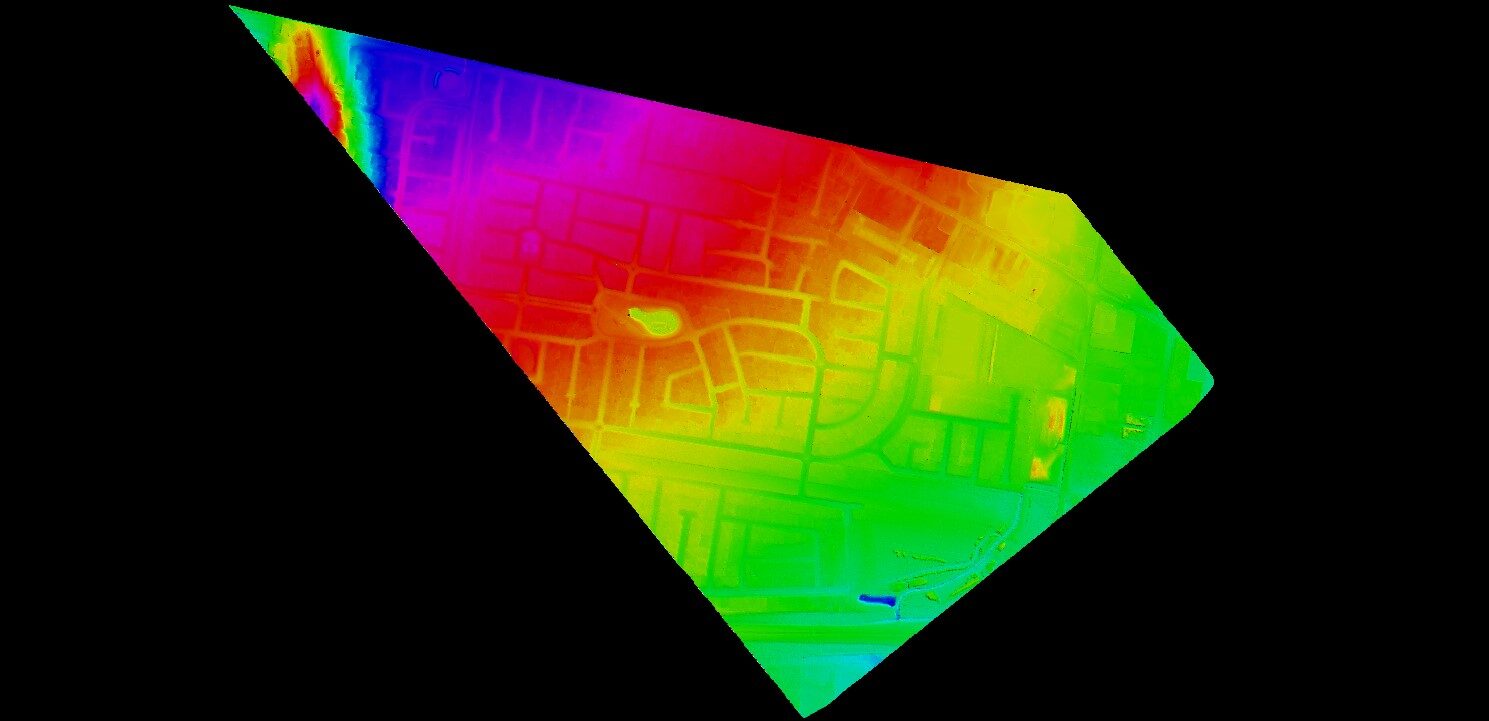
In addition, the area that was processed is very flat, and all the data have elevations ranging from 20 to 50 meters above sea level. This allows for the accurate representation of object interactions and the creation of high-precision models for further use in planning and analysis.
Unique Aspects. Ensuring the high quality of 3D building models required special attention to the details of architectural elements, making the process significantly more time-consuming. Given the tight deadlines, the team was able to adapt workflows by using in-house developed tools to automate classification. However, to further increase efficiency, the possibility of developing new automation technologies for similar projects was identified. This experience contributed to strengthening collaboration with technical partners, which opens up opportunities for the implementation of innovative solutions in the future.
📞 We’re ready to take on projects of any complexity! Our team has experience handling multi-task projects and is always open to new challenges. Want to evaluate the quality of our services? Send us a pilot project, and we’ll be happy to demonstrate our expertise. Feel free to reach out to us directly or schedule a meeting via LinkedIn. We look forward to collaborating with you!